
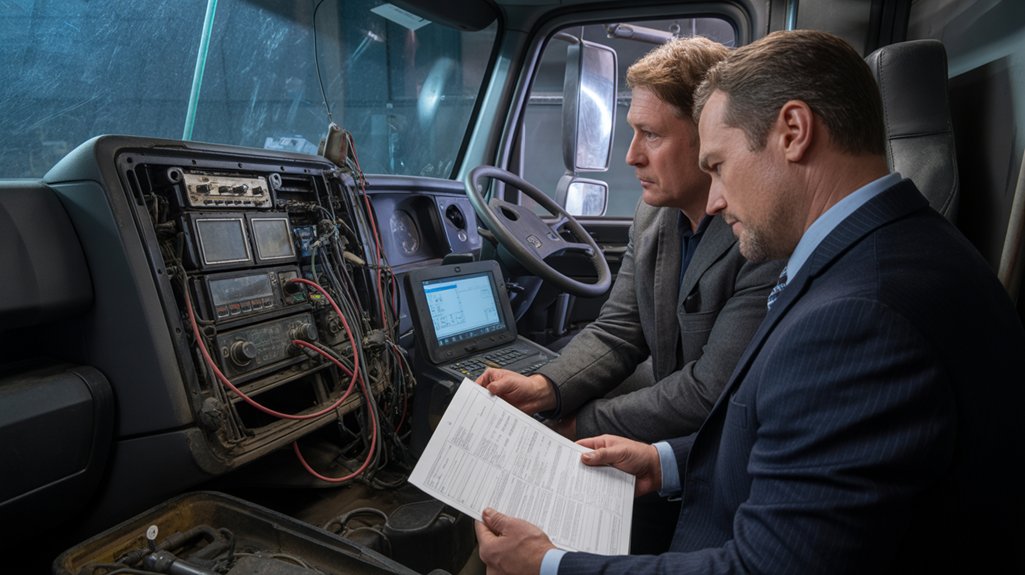

Could ECM data really show what a truck driver did in the seconds before a crash? If you’re dealing with a big rig collision in Anaheim, that black box may hold the kind of objective details that change everything. It can capture speed, braking, throttle use, and fault codes, but the real value often appears when a lawyer compares it with other records and tests whether the story still holds.
Main Points
- ECM black box data can show truck speed, braking, throttle input, and engine performance before, during, and after a crash.
- Anaheim attorneys use this objective data to challenge denials, verify witness accounts, and strengthen settlement negotiations.
- Preserving the ECM quickly is critical, because overwriting or tampering can destroy important evidence.
- Attorneys often demand driver logs, GPS data, dashcam footage, maintenance records, and police reports to corroborate ECM findings.
- ECM evidence is useful, but its accuracy depends on proper download procedures, chain of custody, and crash-related damage.
What Is ECM Data in Big Rig Crashes?
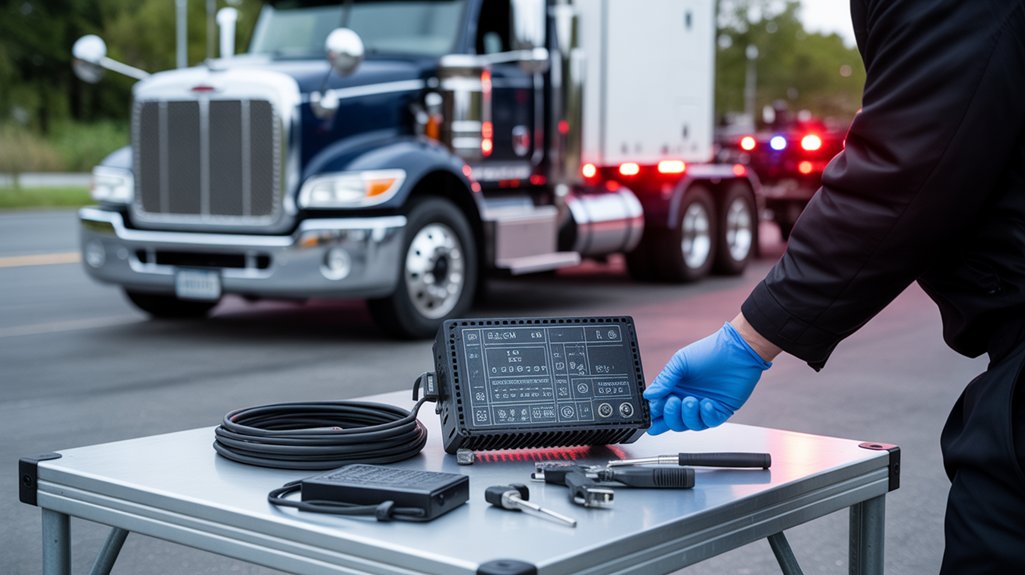
An electronic control module, or ECM, acts like a truck’s black box, recording key data before, during, and after a crash.
When you look at ECM data, you’re seeing digital clues from the truck’s systems, such as speed, engine RPM, brake use, throttle position, and fault codes. This information can show how the rig performed in the moments leading up to impact. You can also learn whether the driver slowed down, braked hard, or kept accelerating.
In big rig crashes, that record matters because it captures facts a driver may forget or deny. ECM data doesn’t tell the whole story, but it gives you an objective snapshot of the truck’s operation and helps you understand what happened on the road.
Why Anaheim Attorneys Use Black Box Evidence
Anaheim attorneys use black box evidence to pin down what the truck actually did before a crash, not just what the driver says happened.
When you’re facing a trucking company and its insurers, hard data helps cut through blame-shifting and guesswork. ECM evidence can support your claim, challenge a fake timeline, and show whether the carrier ignored safety rules or pushed unsafe practices.
Hard data cuts through blame-shifting, backs your claim, and can expose unsafe trucking company practices.
It also gives your lawyer leverage in settlement talks because numbers are harder to argue with than memory. If the defense tries to blame you, black box data can help protect your case by backing up witness statements, scene photos, and expert analysis.
In a serious truck collision, you need evidence that speaks clearly and quickly, and an experienced Anaheim attorney knows how to use it.
What Truck Black Boxes Record Before Impact
Before a crash, a truck’s black box can capture key details like speed, brake use, throttle position, engine RPMs, and sometimes sudden deceleration or a hard stop. You can use this snapshot to understand how the truck was being driven in the moments leading up to impact. It may show whether the driver slowed too late, accelerated at the wrong time, or ignored warning signs.
- Vehicle speed
- Brake and throttle activity
- Engine performance data
This information helps you compare the truck’s movements with witness accounts, skid marks, and crash damage. It can also reveal whether the driver reacted normally or made choices that increased danger. When you review these records carefully, you get a clearer picture of what happened before the collision and why it matters.
How Lawyers Secure ECM Data After a Crash
After a crash, you need to move fast to preserve the truck’s ECM data before anyone can alter or erase it.
Your lawyer can demand data retention right away and send a spoliation letter to put the carrier on notice. That helps protect key crash evidence and keeps the black box records available for your case.
Preserving Crash Evidence
Securing crash evidence starts fast, because ECM data can be lost, altered, or overwritten if no one acts promptly. You protect the record by treating the truck, its wiring, and related parts as critical proof. Your lawyer can document the scene, photograph damage, and note any towing or repair steps that might affect the module. You also want a clear chain of custody so no one questions who handled the data.
- Photograph the vehicle before it’s moved
- Record ECU locations and visible damage
- Track every person who touches the truck
Careful preservation keeps the data reliable when experts later review speed, braking, throttle input, and impact timing. With solid handling, you strengthen your claim and reduce disputes about what the ECM shows.
Demanding Data Retention
Once the crash evidence is secure, your lawyer should send a prompt spoliation letter demanding that the trucking company preserve the ECM data, related electronic logs, driver records, and any downloaded files. You’ll want that demand to cover every system that may hold speed, braking, throttle, and engine fault details, because those records can vanish fast if anyone overwrites them. Your attorney can also ask the company to keep the truck, its modules, and any backup media untouched.
| Data to retain | Why it matters |
|---|---|
| ECM files | Show speed and braking |
| Driver logs | Track hours and route |
| Download copies | Prevent loss or overwrite |
Spoliation Letters Delivered
Your lawyer can move quickly and send the spoliation letter the same day, putting the trucking company on notice that it must preserve the ECM, driver logs, dispatch records, GPS data, dashcam footage, and any downloaded or backup copies.
That letter tells them they can’t alter, erase, or overwrite key evidence after the crash.
It also helps you create a record that the company knew about its duty to protect the data.
- Preserve all truck data immediately
- Stop routine deletion and auto-overwrite
- Confirm receipt and chain of custody
If the company ignores the notice, you may later argue spoliation and seek sanctions.
Acting fast gives you a better chance to lock down the truth before the truck returns to service and the evidence disappears.
How ECM Data Supports Liability Claims
When you review ECM data, you can see the truck’s speed and braking patterns right before the crash. That record can help show whether the driver reacted properly or failed to slow down in time.
It can also support hours-of-service claims by revealing whether fatigue may have played a role.
Speed And Braking Data
Even a truck’s electronic control module (ECM) can reveal critical speed and braking data that helps piece together how a crash happened. You can see whether the driver was speeding, braking late, or failing to slow down before impact, and that timeline often strengthens your claim.
When your attorney reviews ECM readings, they can compare them with skid marks, damage patterns, and witness statements to show what really occurred.
- Pre-crash speed
- Brake application timing
- Deceleration changes
This data can also undermine excuses that the truck couldn’t stop in time. If the ECM shows no meaningful braking, you may prove the driver reacted too late. If it records hard braking, you may show the impact was foreseeable and avoidable.
Hours Of Service Records
ECM data doesn’t just show speed and braking; it can also help track a driver’s hours of service and expose fatigue-related violations. You can use that information to compare driving time, engine operation, rest periods, and trip logs against federal limits.
If the data shows a truck stayed active long after a driver should’ve been off duty, you may have strong evidence of fatigue. That matters because tired driving can slow reaction time, blur judgment, and increase crash risk.
Anaheim attorneys often pair ECM records with logbooks, dispatch messages, and GPS data to spot inconsistencies and prove a carrier ignored safety rules. When you build a claim around hours of service violations, you’re not just alleging carelessness—you’re showing a pattern that supports liability and damages.
When Black Box Data Can Be Challenged
Black box data isn’t always the final word, and you can challenge it if the device was damaged, improperly maintained, or downloaded incorrectly. You may also question the data when the truck’s electronics malfunctioned or the recorder stopped capturing information before the crash. In those situations, you can push back on claims that the ECM tells the whole story.
- Impact damage can corrupt stored readings.
- Poor maintenance can leave gaps or errors.
- A flawed download can change key numbers.
You should ask how the data was preserved, who handled it, and whether the device passed inspection. If the chain of custody looks weak, the numbers may lose weight. An Anaheim attorney can spot these problems and argue for a fairer reading of the evidence.
Other Evidence That Strengthens a Truck Case
Black box data is only one piece of the puzzle, so you can strengthen your truck case with other evidence that shows what really happened. You can use photos of the crash scene, skid marks, vehicle damage, and road conditions to support your claim.
Witness statements may confirm speeding, sudden lane changes, or a driver’s distraction. Police reports can add key details about fault, citations, and initial observations.
Maintenance logs may reveal worn brakes, bad tires, or ignored repairs. Driver logs and dispatch records can show hours-of-service violations or pressure to meet deadlines.
Medical records connect the crash to your injuries and help prove damages. When you combine these records with black box data, you build a clearer, stronger case that’s harder for the trucking company to dispute.
How an Anaheim Attorney Uses ECM Results
Once the crash data is pulled, an Anaheim attorney can use the ECM results to piece together the truck’s speed, braking, throttle use, and other key actions in the moments before impact. You get a clearer timeline, and your lawyer can compare it with police reports, witness statements, and scene photos to spot errors or lies. ECM data can also show whether the driver sped, braked too late, or ignored warning signs.
- Match speed and braking to the collision point
- Check for sudden throttle changes or hard stops
- Link the data to driver fatigue, distraction, or poor training
With this evidence, your attorney can push back on defense claims and build a stronger case for fault and damages.
Frequently Asked Questions
Can ECM Data Show Whether the Truck Driver Was Fatigued?
Yes, you can use ECM data to help show fatigue by revealing hours driven, speed changes, braking patterns, and rest breaks. It can’t prove tiredness alone, but it can strongly support your case.
How Long Does ECM Data Remain Stored After a Crash?
ECM data can stay stored for days or years, depending on the truck’s system. You’ll want to act fast, because crashes erase detail and preserve proof only if you secure it quickly.
Do All Commercial Trucks Have Black Boxes Installed?
No, you don’t find black boxes in every commercial truck. Many newer rigs do, but some older or specialized trucks may not. You should check the vehicle’s make, model, and equipment before assuming it has one.
Can ECM Evidence Be Used in Settlement Negotiations?
Yes, you can use ECM evidence in settlement negotiations. You’ll strengthen your position by showing speed, braking, and engine data, which can pressure insurers, support liability arguments, and help you secure a fairer settlement faster.
What if the Trucking Company Deleted or Overwrote the Data?
If they deleted it, you can still fight back—your attorney can seek logs, backups, and sanctions. You’ll preserve what’s left, and if they overwrote it, that can strengthen your claim of spoliation.
See The Next Post
When you’re hurt in a big rig crash, ECM data can feel like a truth serum from another era, cutting through the smoke and spin. It can show speed, braking, throttle use, and fault codes that help prove what really happened before impact. But you still need fast action, careful preservation, and the right attorney to connect the dots. If you want answers, don’t wait—protect the black box evidence and your claim now.



0 Comments