


You may not realize how much a personal injury case can depend on expert testimony. When you’re dealing with medical records, crash data, or lost income claims, the right expert can turn confusion into a clear story. They help you prove what happened, what it cost, and why it matters. The real question is how these witnesses shape the outcome when the facts aren’t enough on their own.
Main Points
- Expert witnesses explain technical evidence in plain language for judges and juries.
- They connect accidents to injuries and help prove fault, severity, and damages.
- Common experts include medical, accident reconstruction, vocational, engineering, and mental health specialists.
- Their opinions can quantify future treatment, lost earnings, and long-term pain.
- Lawyers choose experts for relevant credentials, clear communication, impartiality, and courtroom credibility.
What Expert Witnesses Do in Personal Injury Cases
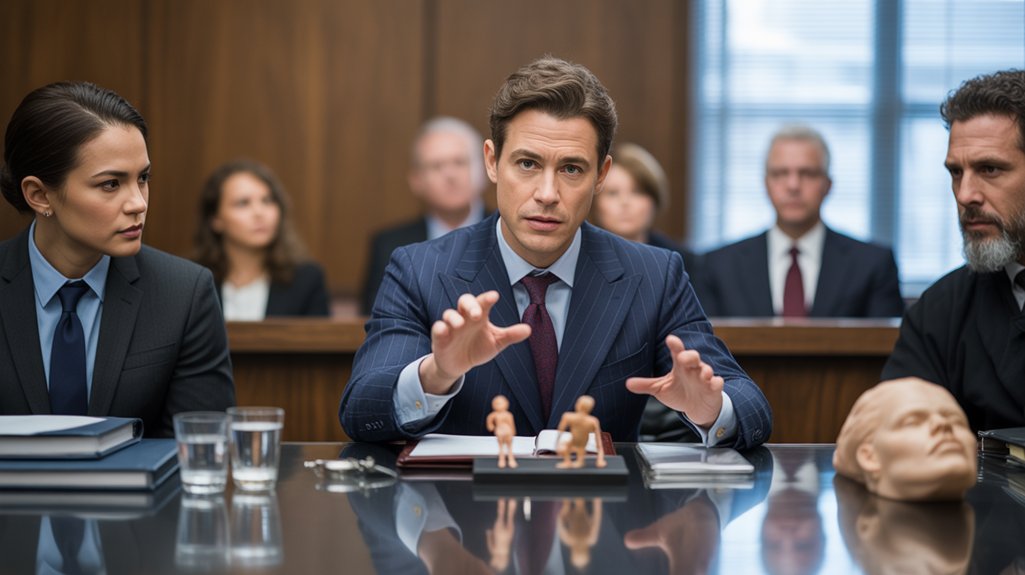
Expert witnesses help explain the technical side of a personal injury case, turning complex evidence into clear, understandable facts for the court. You can rely on them to interpret medical records, accident data, engineering reports, or financial losses.
They examine the facts, apply their specialized knowledge, and offer opinions that help you and the judge understand what happened and why. A doctor might describe your injuries and recovery limits, while an engineer can analyze a crash scene or product failure.
You may also use experts to explain future treatment needs or lost earning capacity. Their testimony doesn’t decide the case, but it gives you a stronger factual picture. By clarifying complicated issues, they make your claim easier to present and evaluate.
Why Expert Witnesses Strengthen Injury Claims
When you bring in the right expert witnesses, your injury claim becomes more credible, more complete, and easier to prove.
You can use their analysis to connect the accident to your injuries, explain why your symptoms matter, and show how the harm affects your daily life.
Their objective opinions help counter disputes from the other side, especially when someone questions fault, severity, or future impact.
You also gain stronger evidence for negotiations and trial because experts translate complex facts into clear, persuasive language.
That clarity can help a jury understand what happened and why compensation is justified.
Instead of relying only on your account, you present a well-supported claim backed by professional insight, which often improves your leverage and your chances of a fair result.
Common Types of Expert Witnesses in Injury Cases
Once you understand how expert testimony can strengthen a claim, it helps to know which professionals are typically called in personal injury cases. You’ll often see medical experts, accident reconstructionists, and vocational specialists because each brings focused knowledge.
| Expert | Typical Focus |
|---|---|
| Medical expert | Explains injuries and treatment |
| Accident reconstructionist | Analyzes how the event happened |
| Vocational specialist | Assesses work ability |
You may also encounter engineers, biomechanical experts, or mental health professionals when the facts call for technical insight. Their training lets you understand complex records, physical forces, and human impact in plain terms. When you know who these witnesses are, you can better anticipate the kind of evidence your case may need and ask sharper questions about the professional background behind each opinion.
How Expert Witnesses Support Liability and Damages
Although every personal injury case turns on its own facts, expert witnesses can help connect those facts to both liability and damages.
You can use their testimony to explain how a defendant’s conduct caused the accident or worsened your injuries. For example, an accident reconstruction expert may show how speed, braking, or impact angles point to fault, while a medical expert can link the collision to your symptoms and treatment.
Experts also help quantify losses. They can describe future surgeries, rehabilitation, reduced earning capacity, and long-term pain, so you can present a clearer damages claim.
When jurors hear technical issues in plain language, they’re more likely to understand what happened and why it matters. Strong expert evidence can make your case more credible and persuasive.
How Lawyers Choose the Right Expert Witness
Picking the right expert witness can shape how persuasive your case becomes. You should look for someone whose specialty matches the injury, liability issue, or damages question at hand. Your lawyer will check credentials, board certifications, publications, courtroom experience, and whether the expert can explain complex ideas in plain language.
You also need someone credible, impartial, and confident under cross-examination, because jurors notice attitude as much as expertise. A good attorney will review prior testimony, potential conflicts, and any history that could weaken trust. Cost matters too, but it shouldn’t outweigh relevance and reliability. The right expert strengthens your case by offering clear, fact-based opinions that support your theory and help the jury understand what happened and why it matters.
Frequently Asked Questions
How Much Do Expert Witnesses Typically Charge?
You’ll typically pay expert witnesses $200 to $1,000+ per hour, depending on their field, experience, and case complexity; some also charge flat fees for reports, preparation, and testimony, which can add up quickly.
Can Expert Witnesses Appear in Court Remotely?
Yes—you can often have expert witnesses appear remotely; in 2023, about 60% of federal courts used some virtual testimony. You’ll need court approval, reliable tech, and clear procedures so the testimony stays admissible and persuasive.
Are Expert Witness Reports Always Required?
No, you don’t always need expert witness reports; some cases rely on testimony, records, or settlement. But you’ll usually need one when technical issues, causation, or damages are disputed and the court requires expert proof.
What Happens if Both Sides Hire Conflicting Experts?
When experts clash, you’re left in a courtroom fog: each side’s testimony fights for the brighter lamp. The judge or jury weighs credibility, qualifications, and evidence, and you may need a rebuttal expert to tip things.
How Long Does It Take to Find an Expert Witness?
You’ll usually find an expert witness in a few days to several weeks, depending on specialty, urgency, and availability. You may need longer if you want a highly qualified expert or multiple opinions.
See The Next Post
When you use the right expert witness, you don’t just add support—you can practically light up your case like a stadium at midnight. They help you turn confusing records, tangled crash details, and scary medical questions into clear, powerful proof. With their guidance, you’re far more likely to show what happened, why it matters, and what it’s truly worth. In a personal injury claim, that kind of expert backing can make all the difference.



0 Comments