


If you’ve been hurt in an accident, you probably want quick answers: does your situation count as a personal injury case, what should you do next, and how much time do you have to act? You’ll also want to know what compensation can cover and whether hiring a lawyer is worth it. The details matter, and a few early decisions can shape your claim in ways you might not expect.
Main Points
- Personal injury cases involve harm caused by another’s negligence or intentional wrongdoing, such as car crashes, medical errors, or unsafe property.
- To prove a claim, you must show duty, breach, causation, and damages like medical bills, lost wages, or pain and suffering.
- After an accident, prioritize safety, call 911 if needed, exchange information, take photos, and collect witness details.
- Seek medical care quickly and keep detailed records of symptoms, expenses, treatment, and missed work to support your claim.
- Filing deadlines vary by state, so speak with a lawyer early to preserve evidence and protect your right to compensation.
What Counts as a Personal Injury Case?
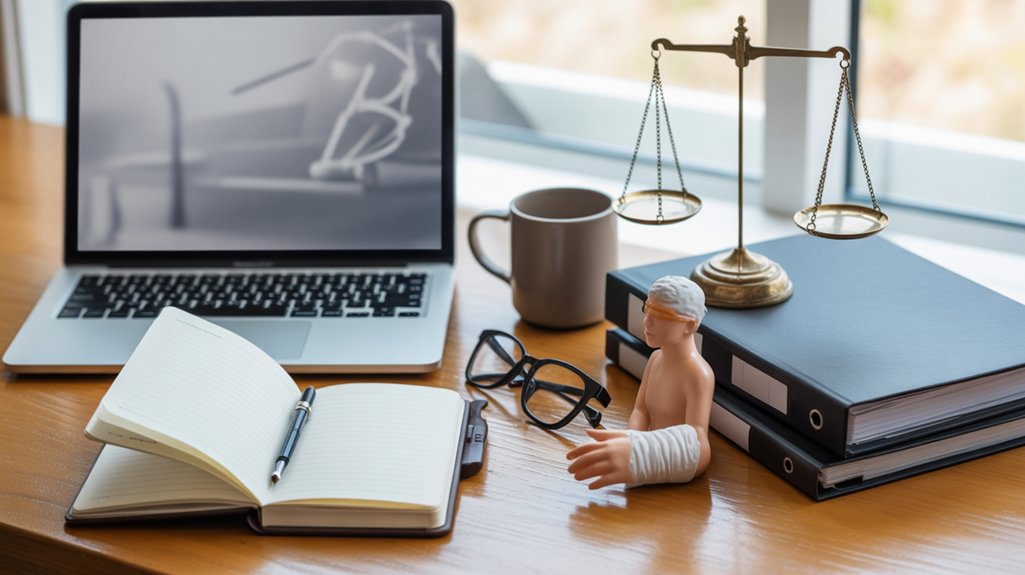
A personal injury case usually starts when someone else’s negligence or intentional wrongdoing harms you physically, emotionally, or financially.
You may have a claim if a careless driver injures you, a property owner ignores a hazard, a doctor makes a preventable mistake, or a product fails and causes damage.
You can also pursue a case after dog bites, workplace accidents, or unsafe premises injuries.
To qualify, you must show that another party owed you a duty, breached it, and caused your losses.
Those losses can include medical bills, missed work, pain, and lasting disability.
Not every accident becomes a case, but if someone else’s actions caused your harm, you should explore your legal options with a qualified attorney.
What Should You Do After an Accident?
After an accident, you should first make sure everyone is safe and call 911 if anyone is hurt or the scene is dangerous.
Then, move to a secure spot if you can, and check for injuries without admitting fault. Stay calm and take a few deep breaths.
Exchange names, phone numbers, insurance details, and license plate numbers with the other driver or parties involved.
Take clear photos of vehicles, damage, road conditions, and visible injuries.
Ask witnesses what they saw and get their contact information.
Report the crash to the police and request the report number.
Get medical attention, even if you feel okay, because some injuries show up later.
Keep notes about pain, expenses, and missed work.
Save every receipt, email, and repair estimate.
- Safety first
- Document the scene
- Gather witness names
- Seek medical care
- Save records
How Long Do You Have to File a Claim?
Once you’ve handled the immediate aftermath of an accident, time starts to matter for your claim. Every state sets a deadline, called a statute of limitations, and if you miss it, you usually lose the right to file. You should check your state’s rule quickly, because the clock can vary based on the type of injury or who caused it. Some claims also have shorter notice requirements when a government entity is involved.
| Step | What to do |
|---|---|
| 1 | Identify the filing deadline |
| 2 | Note any special notice rules |
| 3 | Speak with a lawyer early |
Don’t wait until the last minute. Evidence can fade, witnesses can move, and a timely filing helps you protect your claim.
What Compensation Can You Recover?
Compensation in a personal injury claim can cover more than just your immediate medical bills. You can often recover losses tied to your injury’s impact on daily life, finances, and well-being. These damages aim to make you whole, as much as money can.
- Emergency care and follow-up treatment
- Lost wages from missed work
- Future medical needs or rehab
- Pain, suffering, and emotional distress
- Property damage from the accident
If your injury limits how you work, sleep, or enjoy normal activities, that harm can matter too. Each case turns on the facts, your records, and how the injury changed your life. Strong documentation helps show the full value of what you’ve lost and what you’ll still need.
Do You Need a Personal Injury Lawyer?
Knowing what damages you can recover is only part of the picture; the next question is whether you need a personal injury lawyer to help you pursue them.
If your injuries are minor and the insurer accepts fault, you might handle the claim yourself. But if you face medical bills, missed work, disputed liability, or a low settlement offer, legal help can make a real difference.
A lawyer can gather evidence, value your claim, negotiate with adjusters, and protect you from deadlines and mistakes. You also get an advocate if your case goes to court.
Many personal injury lawyers offer free consultations and work on contingency, so you usually pay only if they recover money for you. That lets you focus on healing while they handle the claim.
Frequently Asked Questions
Can I Still Recover Damages if I Was Partly at Fault?
Yes, you can still recover damages if you were partly at fault, but your award may drop based on your share of blame. You’ll need to prove the other party’s negligence caused your losses.
What Evidence Should I Collect for My Injury Claim?
You should collect photos, witness names, medical records, bills, police reports, and any damaged-property proof. Coincidentally, the sooner you gather them, the stronger your claim gets, because details disappear fast and memories fade.
How Are Personal Injury Settlements Usually Paid Out?
You usually receive your settlement as a lump sum, though you can sometimes negotiate structured payments. After fees and liens, your lawyer distributes your share, and you’ll get a check or direct deposit.
Will My Case Go to Trial or Settle Beforehand?
Usually, you’ll settle before trial; only about 4% of personal injury cases reach a jury. You and your lawyer can negotiate hard, but if the insurer won’t be fair, you’ll prepare for court.
What if the At-Fault Party Has No Insurance?
You can still pursue compensation through your own uninsured motorist coverage, the at-fault party’s assets, or other liable parties. You’ll need to identify available insurance and protect your claim’s deadlines quickly.
See The Next Post
Personal injury law can feel like a maze, but you don’t have to walk it alone. If you’ve been hurt in an accident, act quickly, get medical care, and save every detail that supports your claim. You may be able to recover money for your losses, but deadlines and proof matter. When the road gets rough, a personal injury lawyer can help you find your way and protect what you’re owed.



0 Comments