
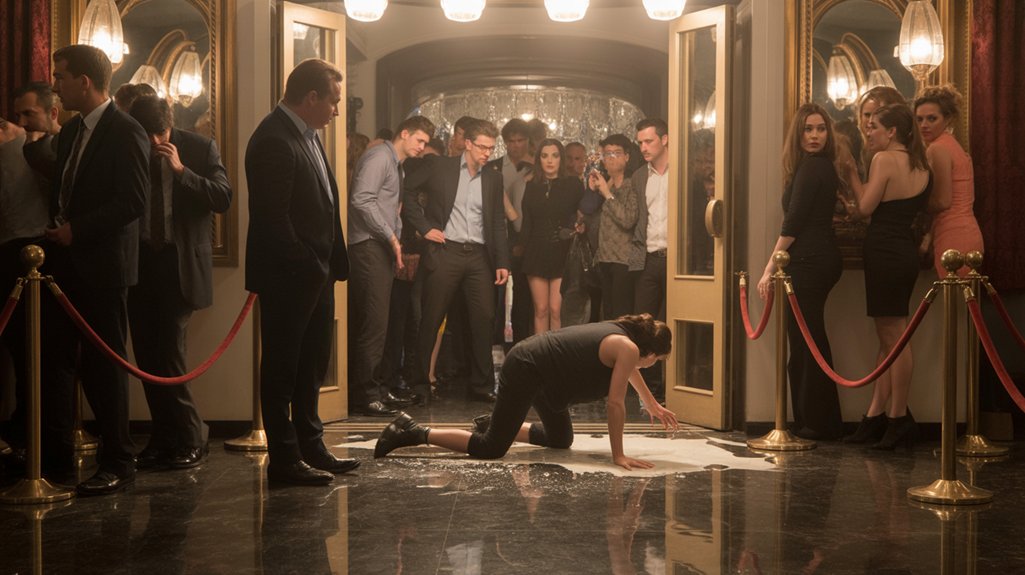

If you slip and fall at a Hollywood venue, club, or theater, you may be left wondering who should answer for it. The owner, operator, tenant, or even a cleanup company could be responsible if they knew about the hazard and didn’t fix it or warn you. But proving that isn’t always simple, and the details you gather right after the fall can change everything.
Main Points
- The property owner may be responsible if a dangerous condition existed and was not fixed or warned about.
- The venue operator or tenant can be liable if it controlled the area where the fall happened.
- A management company may share fault for poor upkeep, cleaning, or safety inspections.
- A maintenance or janitorial contractor can be responsible if its work caused or failed to correct the hazard.
- Proof like photos, witnesses, incident reports, and medical records helps show the hazard caused the injury.
What Makes a Hollywood Slip and Fall Claim Valid?
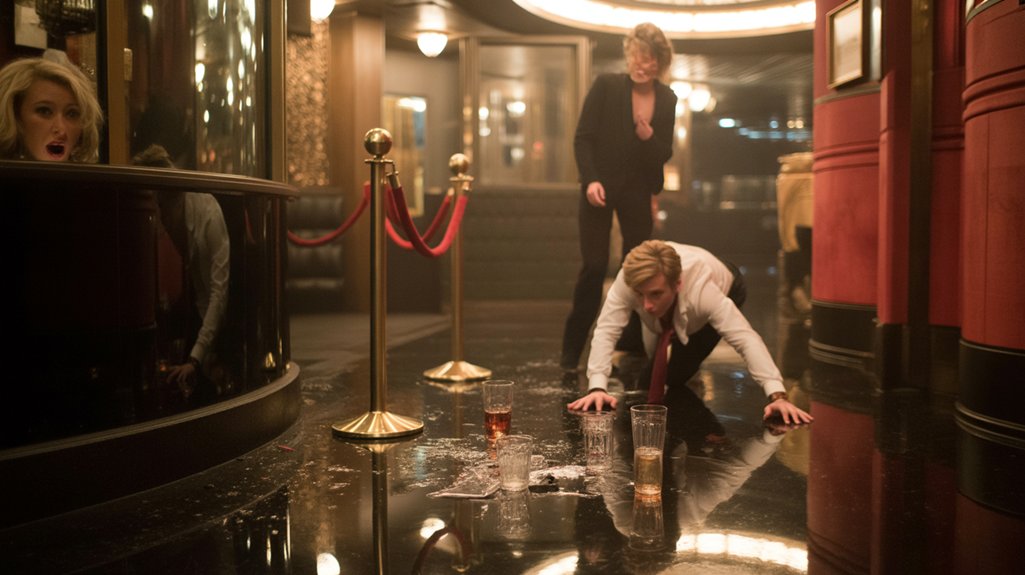
A Hollywood slip and fall claim is valid when you can show that the property owner or manager knew, or should have known, about a dangerous condition and failed to fix it or warn you in time.
A slip and fall claim may be valid if the owner knew, or should have known, about the hazard.
You also need proof that the hazard caused your fall and your injuries. Common examples include wet floors, poor lighting, torn carpeting, broken stairs, spilled drinks, or cluttered walkways.
You strengthen your claim by documenting the scene, reporting the incident, getting witness names, and seeking medical care right away. Medical records help connect your injuries to the fall.
If you waited too long to act, the venue may argue that something else caused your injury. Clear evidence, prompt reporting, and a direct link between the hazard and harm make your claim stronger.
Who May Be Liable for the Accident?
Depending on how the venue is run, several parties may be liable for your slip and fall accident, including the property owner, the operator, a tenant, a management company, or even a cleaning or maintenance contractor.
You may have a claim against whoever controlled the area where you fell and failed to keep it reasonably safe. If a club leased the space, the tenant might bear responsibility. If the owner hired a third-party company to handle repairs or janitorial work, that contractor could share fault for unsafe conditions.
In some cases, multiple parties can be responsible at once. That’s why you shouldn’t assume only one business is accountable. A lawyer can help you identify every liable party and pursue the compensation you deserve for your injuries, medical bills, and lost income.
Evidence That Proves Fault After a Fall
After a slip and fall, the strongest proof often comes from the scene itself: photos or video of the hazard, the shoes you were wearing, witness statements, incident reports, and any security footage that shows what happened.
You should capture the spill, broken step, uneven flooring, or dim lighting before staff clean it up. Save your footwear and clothing in the condition they were in at the time. Ask nearby guests or employees for their names and phone numbers, because their accounts can confirm what you saw and how the fall happened.
Request a copy of the venue’s incident report, and note the date, time, and exact location. If the venue has cameras, send a prompt preservation request so the footage isn’t erased. This evidence can show the hazard existed and the venue knew, or should’ve known, about it.
Common Injuries and Recoverable Losses
Slip and fall accidents at entertainment venues can cause injuries ranging from sprains, fractures, and back or neck strains to concussions, torn ligaments, and head trauma.
You might also suffer cuts, bruises, soft-tissue damage, or lasting mobility problems that disrupt work, sleep, and daily routines.
Some falls leave you with chronic pain, dizziness, or emotional distress that lingers long after the incident.
If the injury keeps you from earning income, you can seek lost wages and reduced future earnings.
You may also recover medical bills, rehabilitation costs, prescription expenses, and compensation for pain and suffering.
In serious cases, your losses can include long-term care, assistive devices, and diminished quality of life.
What to Do After a Venue, Club, or Theater Fall
The injuries and losses from a fall can be serious, so your next steps matter. First, check yourself for pain, dizziness, or bleeding, and ask staff for medical help right away. Don’t leave if you need care.
Check yourself for pain, dizziness, or bleeding, and get medical help right away if you need it.
Then, report the incident to a manager and request a written report. Make sure it includes the date, time, location, and what caused the fall. If you can, take photos of the hazard, your injuries, and the surrounding area before anything changes.
- Get medical attention and follow up with a doctor.
- Preserve evidence, including shoes, clothes, receipts, and witness names.
- Contact a premises liability lawyer before you speak with insurers.
Quick action can protect your health and strengthen your claim later.
Frequently Asked Questions
Does California’s Statute of Limitations Apply Differently to Nightlife Injuries?
Usually, you’ll face the same California deadline for nightlife injuries, but exceptions can shorten or extend it. You should act quickly, because evidence disappears fast and minors, government claims, or delayed discovery can change timing.
Can I Still Recover Compensation if I Was Partially at Fault?
Yes, you can still recover compensation, even if you’re partly at fault; California’s comparative fault rules don’t slam the door shut. Your recovery just gets reduced, so you’ll likely get less, not nothing.
Are Security Camera Recordings Required to Be Preserved After a Fall?
Not always, but you should demand preservation quickly. You can send a written spoliation notice, and venues often must keep relevant footage once they know you’re claiming injury or litigation may follow.
Do Child Entertainers or Performers Affect Venue Liability?
Yes, child entertainers can absolutely affect your venue liability—sometimes dramatically so—if their presence changes crowd control, supervision, or floor hazards. You’d still need to prove negligence, but their performance can intensify the risk.
Can Social Media Posts Impact My Slip and Fall Claim?
Yes, your social media posts can hurt your slip and fall claim if they show activity, admissions, or inconsistent injuries. You should keep posts private, avoid discussing the incident, and let your lawyer review anything.
See The Next Post
After a slip and fall at a Hollywood venue, the blame usually rests with whoever let the danger linger—whether that’s the owner, operator, manager, or cleaning crew. You shouldn’t have to carry the fallout alone. If you picture the lights still glowing over a wet floor or a broken step hidden in the dark, remember this: quick action matters. Document the scene, get medical care, and speak with a lawyer to protect your claim.



0 Comments