


If you’ve been injured, the way you document the next few hours can shape everything that follows. You should record what happened, where it happened, who saw it, and what you noticed right away. Then you’ll want to preserve photos, medical notes, receipts, and missed-work records before details fade or get lost. The key is knowing what matters most, and that’s where things start to get more interesting.
Main Points
- Record the incident immediately, including what happened, when, where, and any hazards, weather, lighting, or equipment involved.
- Document injuries with clear photos and notes on pain, swelling, bruising, dizziness, and limited movement.
- Collect witness names, contact information, and brief statements while details are still fresh.
- Keep all medical records, treatment notes, prescriptions, bills, receipts, and follow-up instructions.
- Track lost wages and expenses, and store everything in one organized, backed-up file system.
What to Document Right After the Injury
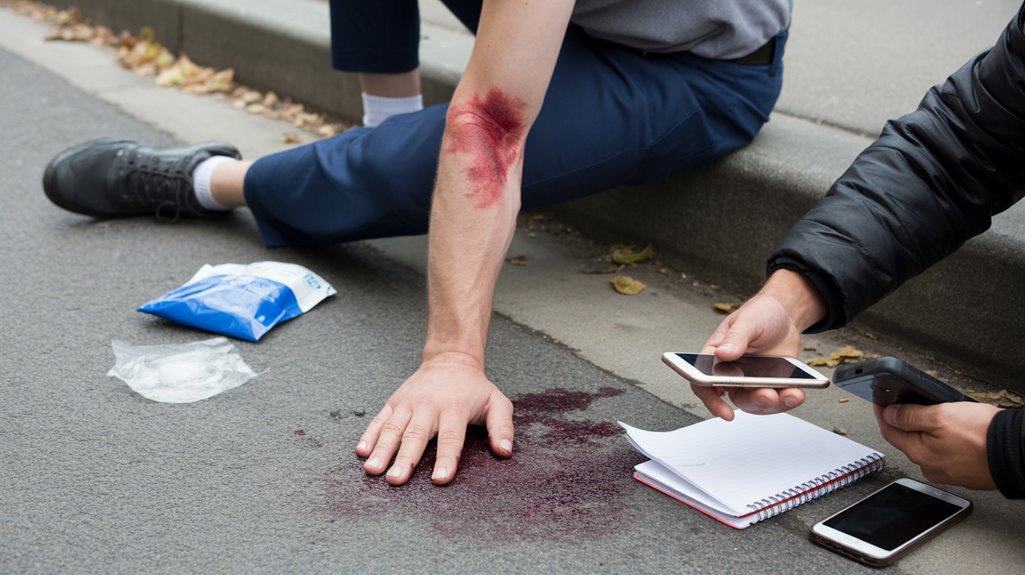
Right after an injury, start recording the basics while everything is still fresh: what happened, when and where it happened, who was there, and what you felt physically.
Right after an injury, record what happened, when it happened, and how you felt physically.
Write down the exact sequence of events, including any hazards, weather, lighting, or equipment involved.
Note visible injuries, pain levels, swelling, bruising, dizziness, or limited movement.
If anyone saw it, capture their names and contact information.
Use your phone to take clear photos of the scene, your injuries, torn clothing, damaged property, and anything that contributed to the incident.
Keep your notes honest, specific, and dated. Don’t guess or exaggerate.
The goal is to preserve immediate facts before memory fades or details change.
If you can, record a short voice memo describing the incident in your own words.
Save Medical Records and Treatment Notes
Keep every medical record and treatment note related to the injury, including ER reports, doctor visit summaries, test results, prescriptions, referrals, physical therapy notes, and itemized bills. Store each document in one organized file, whether paper or digital, so you can find it fast when needed. Ask for copies at every appointment, and check that dates, diagnoses, and treatment plans are complete and accurate.
Save discharge instructions, follow-up recommendations, and notes about pain levels, limitations, and progress. Keep receipts for out-of-pocket costs tied to treatment.
If a provider updates your care, replace the old version with the newest record, but keep the earlier one too. Consistent records show your recovery timeline and help you present a clear account of your medical treatment.
Collect Photos, Witnesses, and Incident Details
As soon as you can, gather photos, witness names, and clear details about the incident. Take pictures of the scene, your injuries, vehicles, hazards, or broken equipment before anything changes.
Ask witnesses what they saw, get their full names and contact information, and write down their key points while memories stay fresh.
Record the date, time, location, weather, and exactly what happened in your own words. Keep your notes factual and brief.
- Capture wide shots and close-ups.
- Identify every witness nearby.
- Note conditions that caused harm.
- Save statements before details fade.
These steps help you preserve evidence and show how the incident unfolded. If possible, back up your photos and notes right away so you don’t lose anything important.
Track Expenses and Missed Work Time
Start tracking every expense and every hour of work you miss, because those losses can add up fast. Keep receipts for doctor visits, prescriptions, medical devices, parking, rideshares, and any home-care help you pay for. Write down the date, amount, and reason for each cost so you can explain it later.
If your injury keeps you from working, record every shift, day, or partial day you miss, plus any sick leave, unpaid leave, or reduced hours. Save pay stubs, schedules, and employer messages that show your lost income. Also note missed bonuses, overtime, and freelance jobs.
You’re building a clear record of how the injury affected your finances, and that record can support your claim for full compensation.
Organize Your Injury Case for Easy Access
To make your injury case easier to manage, create one simple system for everything related to the claim. Use a folder, binder, or digital drive, and keep every document in one place so you can find it fast when your lawyer, insurer, or doctor asks. Label files clearly, sort them by date, and update them right away after every appointment or call. Keep copies of records, photos, bills, prescriptions, and notes.
- Put medical records in date order.
- Save expense receipts and wage proof.
- Store photos, messages, and witness details.
- Back up everything in two places.
When you stay organized, you waste less time, avoid missing details, and make your case easier to review, explain, and support.
Frequently Asked Questions
How Long Should I Keep Injury Case Documents?
You should keep injury case documents until your case fully resolves, then save them for at least several years. You’ll want records, bills, photos, and correspondence in case appeals, tax issues, or future claims arise.
Can Text Messages Support My Injury Claim?
Yes—text messages can support your injury claim, like a telegram from the past. You can use them to show pain, timing, admissions, or notice, but you should save originals and back them up.
Should I Document Pain Levels Daily?
Yes, you should document pain levels daily. You’ll create a clearer record of symptoms, triggers, and recovery trends. Keep notes brief, honest, and consistent, and include medication, activities, and anything that worsens or helps pain.
What if I Lost Some Important Records?
If you’ve lost records, you’re not stranded; you can rebuild the trail. Request copies from providers, insurers, employers, and police. You should also note missing details now, while fresh memories still help.
Can Social Media Posts Affect My Injury Case?
Yes, your social media posts can hurt your injury case. You should avoid posting photos, comments, or updates, because insurers and defense lawyers can use them to dispute your injuries, activities, or credibility.
See The Next Post
When you’re hurt, the details can slip away like morning fog, so keep a calm, steady record from the start. Jot down what happened, save every medical note, and hold onto photos, witness names, and receipts. Track missed work and extra costs as they come up. When you keep everything neatly organized, you make it easier to tell your story clearly and protect your path forward with a little less strain.



0 Comments